
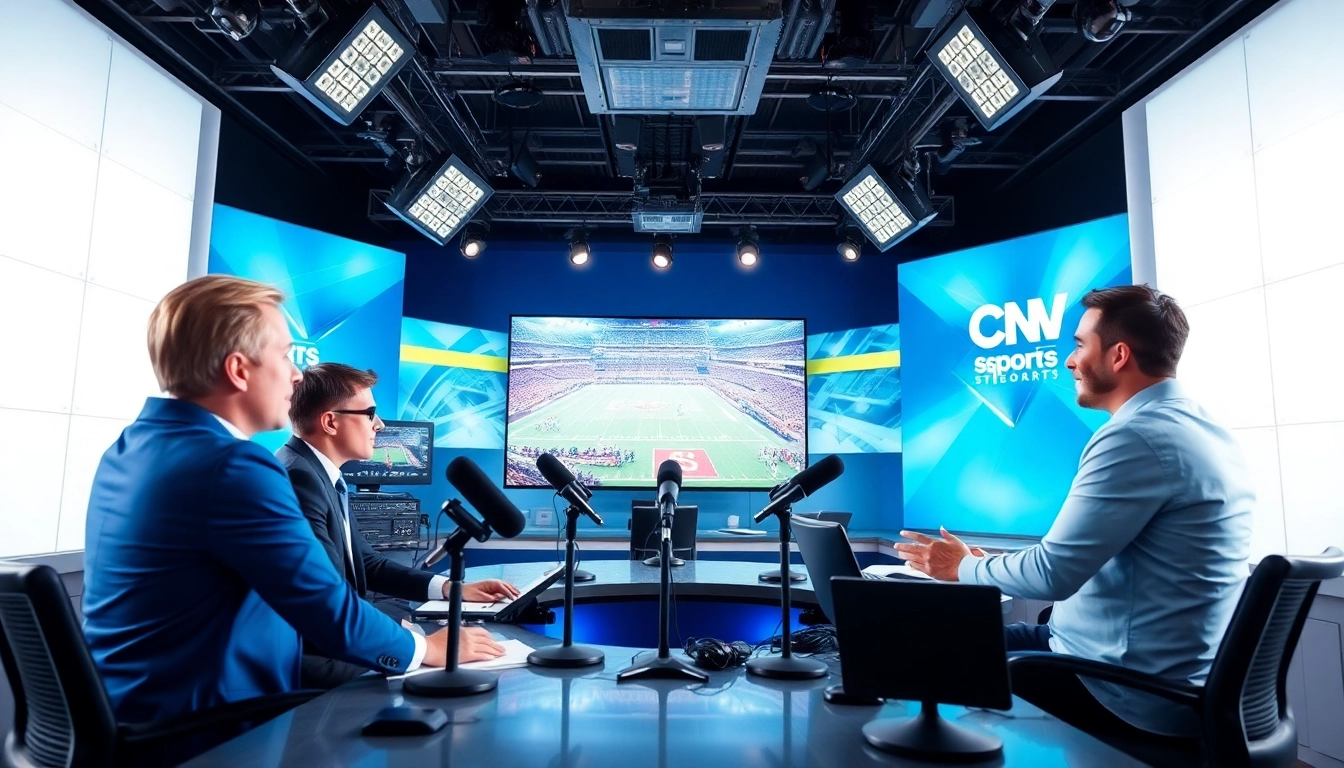
Understanding Sports Broadcasting
Sports Broadcasting is a dynamic field that marries the excitement of athletic competition with the engaging medium of television and digital platforms. This arena plays a pivotal role in bringing sports to a global audience, enhancing the experience for viewers, and creating a cultural phenomenon around various sports events. With the continual evolution of technology and viewer preferences, understanding the intricacies of sports broadcasting is crucial for stakeholders in the industry. Moreover, following this link to explore the expertise in Sports Broadcasting can enhance your grasp on the subject matter.
The Importance of Sports Broadcasting
Sports broadcasting serves several key functions that enhance the sport, from the promotion of leagues to fostering community engagement. It provides fans with access to live events, highlights, and analysis, thus cultivating a robust sports culture. The financial aspect cannot be overlooked; sports broadcasting deals often represent a significant revenue stream for leagues and teams through broadcasting rights and sponsorships.
History and Evolution of Sports Broadcasting
The journey of sports broadcasting dates back to the early 20th century when radio broadcasts started bringing live sports events into homes. The first-ever televised sports event was a college baseball game in the 1930s, marking the beginning of a new era. As technology progressed, so did broadcasting methods, expanding from radio to television. The rise of satellite and cable networks further transformed how sports were consumed, allowing for numerous channels dedicated to sports content and ultimately leading to the current streaming revolution.
Types of Sports Broadcasting
Sports broadcasting can be categorized into several types, including live broadcasting, delayed telecasts, highlight shows, and streaming services. Live broadcasts are the most popular, offering real-time coverage and commentary, while delayed telecasts allow viewers to catch up on events. Highlight shows provide a summary of key moments, targeting audience segments with limited time. Digital platforms have further diversified broadcasting types via on-demand and personalized streaming services.
Key Components of Sports Broadcasting
Essential Equipment for Effective Broadcasting
Broadcasting sports effectively relies on high-quality equipment, ranging from cameras and microphones to broadcasting software and streaming technology. High-definition cameras capture the action, while sound equipment ensures clear commentary. The adoption of drones and handling techniques like multi-angle shots enhance viewer engagement. Businesses must invest in reliable technology to remain competitive in a saturated market.
Role of Commentators and Analysts
Commentators and analysts play a crucial role in sports broadcasting, providing real-time analysis, insights, and play-by-play commentary that enhance viewer understanding and enjoyment. A great commentator not only narrates what is happening but also adds color through personal anecdotes, statistics, and social interaction, bridging the gap between the event and the audience.
Production Techniques to Enhance Engagement
Production techniques in sports broadcasting can significantly enhance the viewer experience. Techniques such as slow-motion replays, multi-camera angles, and augmented reality graphics help convey critical moments. Behind-the-scenes coverage and player interviews foster deeper connections with the audience, making them feel part of the action rather than mere spectators.
The Impact of Technology on Sports Broadcasting
Innovations in Broadcasting Technology
Recent innovations in broadcasting technology include the use of high-definition broadcasting, virtual reality, and artificial intelligence. High-definition streaming offers superior clarity, while virtual reality experiences allow fans to feel as though they are in the stadium. AI is utilized for predictive analytics and fan engagement strategies, tailoring content to meet individual preferences and delivering personalized experiences.
Role of Streaming Services
With the rise of OTT platforms, streaming services have reshaped how audiences consume sports. Services like subscription-based models and ad-supported streaming options have expanded access to live events. The flexibility provided by streaming, allowing viewers to watch on various devices at their convenience, has made this an increasingly popular option, attracting a younger demographic to sports broadcasting.
Future Trends in Sports Broadcasting
Looking ahead, sports broadcasting will likely see an increase in personalization, with more focus on interactive and tailored content delivery. The integration of AI will facilitate data-driven decisions in programming and marketing strategies. Additionally, advancements in immersive technologies, like augmented reality, are set to enrich viewer experiences, blurring the line further between fan and participant.
Viewership and Audience Engagement Strategies
Analyzing Viewership Metrics
To succeed in sports broadcasting, a deep understanding of viewership metrics is essential. Metrics such as viewer demographics, engagement rates, and social media interactions provide insights into audience preferences and behaviors. By analyzing these metrics, broadcasters can develop targeted strategies that resonate with viewers, potentially leading to increased loyalty and revenue.
Engaging Different Demographics
Engaging various demographics requires a multi-faceted approach. Content should be tailored to meet the tastes of different age groups, backgrounds, and interests. This can range from traditional coverage aimed at long-time sports enthusiasts to social media snippets targeting younger audiences who prefer rapid, engaging content. Inclusive programming can elevate the overall reach, ensuring that the broadcast resonates with a broader audience.
Creating Interactive Broadcasting Experiences
Interactive broadcasting experiences, such as live polls, Q&A sessions, and social media integration, can significantly enhance audience engagement. By involving viewers in real-time discussions and decision-making processes, broadcasters build community and loyalty, making the viewer feel valued and part of the event’s narrative.
Best Practices and Compliance in Sports Broadcasting
Common Regulatory Standards
Adhering to regulatory standards is imperative in sports broadcasting to maintain credibility and trust. This includes compliance with copyright laws, broadcasting rights agreements, and content regulations, which vary significantly across regions. Broadcasters should stay informed on changes in legislation to avoid legal issues and penalties that might compromise their operational integrity.
Ethical Considerations in Sports Broadcasting
Ethical considerations in broadcasting require a commitment to fairness, accuracy, and respect for all participants. This involves avoiding bias, ensuring responsible reporting, particularly in sensitive situations, and giving equal coverage to various teams, athletes, and events. Adhering to high ethical standards fosters trust and enhances the broadcaster’s reputation.
Strategies for Crisis Management in Broadcasting
Crisis management is a critical component of sports broadcasting, necessitating the development of strategies to address potential controversies or negative responses. Clear communication protocols, contingency plans for emergencies, and training for staff on handling delicate situations can mitigate damage and maintain audience trust during crises.
Frequently Asked Questions
What is sports broadcasting?
Sports broadcasting refers to the distribution of sports events via television, radio, and online platforms to inform and engage audiences globally.
How has technology impacted sports broadcasting?
Technology, including streaming services and AI, has transformed how sports are consumed, allowing personalized and interactive viewing experiences while enhancing production quality.
What types of content do sports broadcasters provide?
Sports broadcasters deliver live games, highlights, analysis, interviews, and behind-the-scenes content, catering to diverse audience preferences.
How do broadcasters engage different demographics?
Broadcasters engage different demographics by creating tailored content, utilizing various formats, and leveraging social media platforms to reach younger audiences.
What role do commentators play in sports broadcasting?
Commentators provide real-time insights, play-by-play narratives, and analysis, adding depth and excitement to the viewing experience for audiences.
