
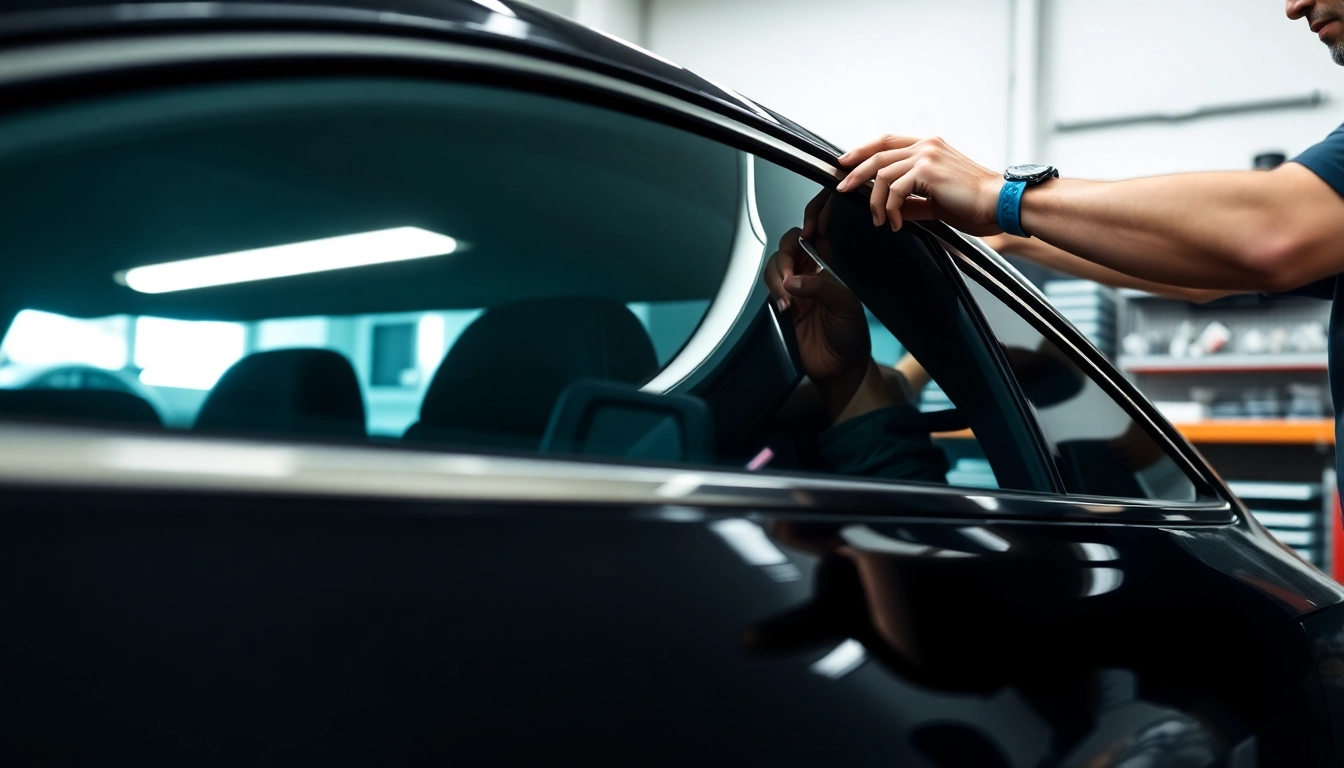
Understanding Auto Window Tint Options
As a vehicle owner, you may often find yourself exploring ways to enhance your car’s appearance while also improving comfort and protection. One significant upgrade that has become increasingly popular is auto window tinting. By allowing UV protection, temperature regulation, and an added layer of privacy, there’s good reason to consider looking for auto window tint near me.
Benefits of Auto Window Tint
Window tinting offers a myriad of essential benefits that go beyond just aesthetics. Here are some of the primary advantages:
- UV Protection: High-quality window tints can block up to 99% of harmful ultraviolet (UV) rays, protecting your skin and preventing the fading of your car’s interior.
- Heat Reduction: Auto window tint helps in regulating the temperature inside the vehicle by reducing solar heat. This can lead to less reliance on air conditioning and subsequently lower fuel consumption.
- Increased Privacy: Tinted windows provide an added level of privacy for passengers and belongings, making it more challenging for potential thieves to see inside.
- Glare Reduction: Tints reduce glare from the sun and headlights, improving overall driving comfort and safety.
- Enhanced Aesthetics: A well-applied tint can significantly enhance the overall look of your vehicle, giving it a sleek and stylish appearance.
Types of Window Tint Films
When considering window tinting, understanding the various types of tint films available can help you make an informed choice:
- Dyed Window Film: This type has a dyed layer that absorbs solar heat and offers a good aesthetic appeal. Although it doesn’t provide UV protection as effectively as other types, it is a cost-effective option.
- Metalized Window Film: This film contains small metallic particles that reflect heat and enhance the strength of the glass. It provides excellent UV protection and glare reduction but may affect electronic signals.
- Carbon Window Film: A perfect blend of cost and performance, carbon films block heat while providing UV protection and do not interfere with electronics.
- Ceramic Window Film: The highest quality type of tint, it is non-metallic and blocks heat without affecting signal. It also provides superior UV protection.
- Hybrid Window Film: This is a mix between dyed and metalized films and tries to combine the benefits of each type, including pleasing aesthetics and effective performance.
Choosing the Right Tint Percentage
Selecting the appropriate tint percentage can significantly influence your vehicle’s appearance and performance. It refers to the level of light blockage provided by the tint film:
- 50% Tint: Allows 50% of light to enter, providing a good balance of visibility and privacy.
- 35% Tint: A popular choice offering enhanced privacy while still maintaining clear visibility.
- 20% Tint: This tint provides a darker look, translating to even more privacy, but can impede visibility in low-light conditions.
- 5% Tint: Often referred to as “limo tint,” it offers maximum privacy but can severely limit visibility and may not be legal in many areas.
Factors to Consider When Searching for Auto Window Tint Near Me
As you embark on your search for auto window tint near me, several factors should guide your decision to ensure you find a reliable service:
Quality of Materials and Installation
Not all tints are created equal. Investigate the types of materials the tinting service utilizes. Quality films can last for many years without peeling, bubbling, or discoloration. Additionally, pay attention to the experience of the installers; poor installation can undermine the benefits of even the best films.
Local Regulations and Compliance
Each state has different laws surrounding the allowable tint percentages and the types of tint materials that may be used. Before proceeding with your tint installation, familiarize yourself with your state’s regulations to avoid legal troubles.
Customer Reviews and Ratings
Online reviews from previous customers can offer insight into the reliability and quality of service provided by a tinting company. Look for companies with a high rating and positive feedback regarding both product quality and customer service.
DIY vs. Professional Auto Window Tinting
Deciding whether to tackle your auto window tinting project yourself or to employ a professional can significantly impact both the outcome and your time investment. Here’s a detailed look at both sides:
Pros and Cons of DIY Tinting
DIY tinting can be appealing for those looking to save costs. However, it’s essential to weigh the pros and cons:
- Pros: Cost savings, flexibility in time, and a sense of accomplishment.
- Cons: Requires skill and patience, potential for mistakes leading to a subpar finish, and may lack warranties that professionals typically offer.
Benefits of Professional Services
Opting for a professional tinting service provides numerous advantages, such as:
- Expert installation with a guaranteed quality finish.
- Access to high-quality materials and specialized tools.
- Warranty options offering peace of mind for your investment.
Cost Considerations
Costs can vary widely for both DIY kits and professional installations. DIY kits typically Range from $50 to $150 depending on the vehicle size. In contrast, professional installations can range from $200 to $1,000, depending on the quality of materials, complexity, and location. Budget accordingly to achieve the desired result.
Preparing Your Vehicle for Tinting
Preparation is key to ensuring a successful window tint installation. Here are steps you should take before the process begins:
Cleaning and Maintenance Before Installation
Thoroughly cleaning your windows achieves the best adhesion for tint films. Grit, grime, and residue can create bubbles and imperfections:
- Use a high-quality glass cleaner and microfiber cloth for a streak-free surface.
- Inspect windows for scratches or damage before installation.
Understanding the Installation Process
Knowing what to expect during the installation can ease your concerns. Here’s a simplified version of the process:
- Cleaning the windows if not previously done.
- Measuring and cutting the film to fit.
- Applying the film using water and a squeegee to eliminate bubbles.
- Trimming the edges for a perfect fit and allowing it to cure properly.
Post-Installation Care Tips
Once done, proper care is critical for maintaining the tint:
- Avoid rolling down the windows for at least 3 to 5 days.
- Use a soft cloth for cleaning to avoid damaging the film.
- Stay away from ammonia-based cleaners.
Frequently Asked Questions About Auto Window Tint Near Me
How long does auto window tint last?
Quality window tint can last anywhere from 5 to 15 years, depending on the type of film used and proper maintenance.
Is auto window tint legal in my area?
Tinting laws vary by state. Check your local regulations to ensure compliance before installation.
Can I wash my car after tinting?
It’s best to wait at least one week before washing your car after installation to allow the tint to set properly.
What are the differences in tint types?
Different types of tint films vary in material, UV protection, heat rejection, and glare reduction. Choose based on your specific needs.
How to choose the best tint workshop?
Look for workshops with positive reviews, experienced personnel, a good warranty, and compliance with local laws. Quality matters.
